Best gardeners near Selsdon and Coney Hall for small yards
If you have a small yard in Selsdon or Coney Hall, you already know the odd little frustrations that come with it. One corner gets too much shade, the path feels cramped, the hedge keeps leaning into the walkway, and somehow the whole space can look untidy after just one windy afternoon. That is exactly where the best gardeners near Selsdon and Coney Hall for small yards make a real difference. They know how to work with limited space, avoid clutter, and create a garden that feels calm rather than crowded.
Small gardens need a different mindset. Not bigger machines, not bigger promises. Just sharper judgement, neat execution, and a gardener who understands proportion. In this guide, we will look at what good small-yard gardening actually involves, how to choose the right help, what to expect from local services, and where the value really lies. If you are comparing options, it should leave you feeling clearer. And a bit less overwhelmed, to be fair.
Why Best gardeners near Selsdon and Coney Hall for small yards Matters
Small yards can be brilliant. They are easier to maintain, can feel intimate and inviting, and often cost less to keep in shape than larger gardens. But they can also go wrong quickly. A single overgrown shrub can dominate the whole space. A patchy lawn looks worse when the garden is tiny. A poorly chosen border can make the yard feel narrower than it is.
That is why the best gardeners near Selsdon and Coney Hall for small yards are not simply general gardeners. They are people who understand how to edit a space. In a compact garden, every metre matters. Every cut, every plant, every surface choice affects how the whole area feels.
In local properties, especially around suburban streets where back gardens are often modest in size, the real challenge is balance. You want privacy without heaviness. Colour without chaos. Greenery without a maintenance headache. That is a surprisingly fine line. A good gardener can spot it instantly.
There is also a practical side. Small yards can become cluttered with bins, old pots, uneven turf, low branches, and hard-to-reach corners. If nothing is managed properly, the garden starts to feel like work every time you look at it. The right gardener helps you move from reactive tidying to a simple, sustainable routine.
For many homeowners, this is not about making the garden "perfect". It is about making it usable again. Somewhere you can sit with a cup of tea on a mild evening, hear birds rather than brambles, and not cringe when you open the back door. Honestly, that matters more than a lot of people admit.
How Best gardeners near Selsdon and Coney Hall for small yards Works
Working on a small yard is usually less about heavy transformation and more about precision. A skilled gardener starts by looking at the space as a whole: light, drainage, access, circulation, and the visual lines that shape how the garden feels from the house.
From there, the work tends to fall into a few practical stages:
- Assessment: identifying what is making the yard feel crowded, dull, patchy, or hard to use.
- Clearance and tidying: removing waste, dead growth, fallen material, or items that block movement.
- Shaping: trimming hedges, edges, shrubs, and lawn borders so the space feels orderly.
- Maintenance planning: setting a realistic routine for mowing, pruning, weeding, and seasonal care.
- Improvement work: if needed, adjusting layout, surfaces, or planting so the yard works better long term.
That is the simple version. In real life, there is often a lot of judgement involved. For example, a gardener may choose not to remove a mature shrub if it gives privacy and structure, but instead reduce its size and shape it better. Or they may suggest replacing a tired patch of grass with a lower-maintenance finish if the lawn never really thrives in shade.
If you are looking for a broader overview of available support, the services overview is a useful place to see how different garden tasks fit together. And if the garden has become messy after a long gap between visits, garden clearance can be the practical starting point.
Small yards also reward consistency. A one-off tidy-up can help, yes, but regular maintenance usually delivers the best result. The space stays neat, plants stay in scale, and you avoid that dramatic "it all needs doing at once" feeling. Which, let's face it, nobody enjoys on a Saturday morning.
Key Benefits and Practical Advantages
When a small yard is cared for properly, the benefits are immediate. Some are visual, some are functional, and some are surprisingly emotional. A neat compact garden can change how the whole home feels.
Here are the main advantages:
- More usable space: tidy edges and sensible planting make the area feel bigger and easier to move around in.
- Better visual balance: proportionate pruning and layout choices stop the garden from looking crowded.
- Lower maintenance burden: regular care prevents small jobs from turning into a big rescue mission.
- Improved privacy and comfort: well-managed hedges and screens can help without overwhelming the yard.
- Healthier plants and lawn: proper mowing, trimming, and seasonal care support stronger growth.
- Safer movement: fewer trip hazards, better pathways, and clearer access around the garden.
There is also a design benefit that people sometimes miss. In a small space, even a modest improvement has a visible payoff. A cleaner edge or a lighter hedge can instantly make the yard look brighter. You do not need a massive redesign to feel the difference.
That is why many homeowners pair ongoing garden maintenance with occasional specialist work. It keeps the place looking cared for without overcomplicating things.
If the garden includes a small lawn, regular attention matters even more. The cut height, frequency, and edging all affect how the space reads from the house. A tidy lawn can make the yard feel ordered; a rough one does the opposite very quickly. The same goes for the details around it.
Who This Is For and When It Makes Sense
This kind of gardening support is a strong fit for homeowners and landlords with compact outdoor spaces who want a tidy, practical result without wasting space. It is also a good option if you simply do not have the time, tools, or energy to keep on top of little jobs that never seem little for long.
You may especially need a local gardener if:
- your yard feels cramped or visually busy
- the hedges or shrubs are growing too large for the area
- the lawn is uneven, thin, or awkward to mow
- you want to improve the space before selling or renting
- you need safer access to paths, steps, or side returns
- you have inherited a garden that has been neglected for a while
It also makes sense if you know what you want the garden to do but not exactly how to make it happen. Maybe you want somewhere for a bench, a child's play corner, or a low-fuss planting scheme that still feels cheerful. A good gardener can translate those ideas into something workable.
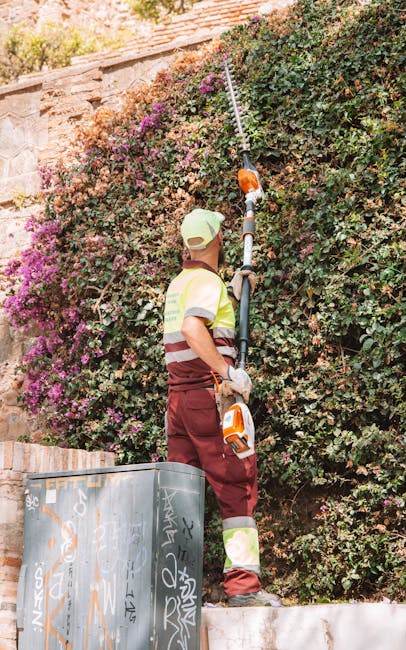
Some jobs are just plain easier with a professional hand. Hedge trimming is a good example. In a tiny yard, one poor cut can throw off the whole shape. With the right approach, though, the hedge becomes a frame rather than a wall. If that sounds familiar, a service such as hedge trimming may be exactly the right kind of help.
And if the space has a mixture of outdoor surfaces, a small decked area, or planting beds that need shaping, a broader landscape gardening approach may be the better fit. Not every small yard needs redesign, but some do need a rethink. You can usually tell within a few minutes.
Step-by-Step Guidance
If you want the best outcome from a small-yard gardener, it helps to approach the job in a sensible order. Here is a practical way to do it.
- Walk the space slowly. Look at it from the back door, the patio, and the far end. Notice where it feels cramped, dark, patchy, or awkward.
- Separate needs from nice-to-haves. For example, clearing brambles and reshaping a hedge may matter more than adding decorative extras right away.
- Decide on the main outcome. Do you want easier upkeep, a smarter appearance, better privacy, or more usable seating space?
- Choose the services that match the goal. That might mean mowing, pruning, clearance, or light landscaping rather than a full redesign.
- Ask how the work will be carried out. Good gardeners should explain access, waste removal, timing, and what happens after the job.
- Agree a maintenance rhythm. Small yards usually benefit from regular visits rather than occasional rescue work.
- Review the result in daylight. A garden can look different in bright morning light compared with late afternoon shade. A quick check never hurts.
A simple example: if your lawn is tiny but struggles because a hedge and tree block too much light, the answer may not be "more lawn care". It may be selective pruning, better edging, or a change in planting. That is why the best gardeners ask questions before they start cutting.
If a space has become cluttered with cuttings, broken pots, or old garden material, clearing first is often the right call. Then maintenance becomes much easier. A tidy base makes every later decision cleaner. Small yards really do reward that kind of sequencing.
Expert Tips for Better Results
Small gardens are all about restraint. That might sound dull, but it is actually where the magic is. The fewer decisions that fight each other, the more peaceful the space feels.
Here are some practical tips that experienced gardeners tend to follow:
- Keep the planting palette limited. Too many different plant shapes can make a compact yard feel fussy.
- Use repetition wisely. Repeating a couple of plant types can make the space feel more cohesive.
- Trim for shape, not just size. A well-shaped shrub can look better than a badly reduced one, even if both are smaller.
- Protect movement lines. Keep the route from the door to the seating area clear and obvious.
- Do not overpack the border. It is tempting to fill every gap, but breathing room often looks better.
- Think about maintenance now, not later. A pretty plant that needs constant fuss may be the wrong plant for a small yard.
One subtle trick is to make the garden feel deeper by keeping the nearest edge lower and the back edge a little more structured. That can create a surprisingly roomy impression. Nothing dramatic. Just smart.
If you are adding any hard landscaping, keep finishes simple and proportionate. A large, heavy feature can swamp a small plot, while a modest decked area can make it more usable. For homeowners considering that route, decking services can be relevant where a level, practical seating surface would improve the garden.
And if the space includes trees or tall overhangs, make sure light and safety are considered together. Tree work is not something to guess at. In some cases, selective reduction or removal may be needed, and that should be handled carefully through a service like tree lopping and removal. Better safe than sorry, as they say.
Common Mistakes to Avoid
Small yards punish bad choices faster than bigger gardens do. A design that looks fine on paper can feel crowded in real life. A few mistakes come up again and again.
- Choosing plants that grow too large. What looks neat in spring may become a headache by late summer.
- Trying to fit in too much. A bench, a planter wall, a water feature, a compost area, and a lawn can be too much for one compact space.
- Ignoring access for maintenance. If you cannot reach the back corner without squeezing past something, the space will be harder to care for.
- Cutting hedges too aggressively. Hard pruning can leave a yard exposed or patchy.
- Skipping waste removal. Clippings and debris make a small yard look untidy almost immediately.
- Using the wrong mowing pattern or blade height. In a tiny lawn, damage shows up fast.
A common one is thinking "I'll just remove everything and start again." Sometimes that is right, but often it is not. In many small yards, the structure is already there; it just needs better editing. Clearing away too much can leave the space bare and oddly cold.
Another mistake is not checking whether the gardener understands compact spaces. Plenty of people can mow a lawn. Fewer can make a small yard feel genuinely well proportioned. That difference is the whole point here.
Tools, Resources and Recommendations
Good results in a small yard usually depend on the right tools and the right service mix. You do not need a warehouse of equipment, but you do need kit that handles detail neatly.
Useful gardening tools and approaches include:
- compact mowers for tight access
- hedge trimmers suited to fine shaping
- hand pruners for accurate cuts around delicate growth
- edging tools to keep paths and lawns crisp
- lightweight clearance equipment for small-access areas
- simple waste bags or collection systems to keep the yard clean during work
From a service perspective, a neat combination is often better than a long wish list. For instance, routine lawn mowing, seasonal hedge cutting, and occasional clearance can transform a small yard without overcomplicating things. Add in regular upkeep and you are most of the way there.
If the space has become blocked by old leaves, pruning waste, or leftover clutter from previous jobs, garden clearance can reset the whole area. After that, maintenance becomes much less stressful.
It is also worth checking how a company handles communication, timings, and pricing. A gardener who explains what is included, what may cost extra, and how access will work usually saves you hassle later. You can review practical details through pricing and quotes, which is helpful when you are comparing options and trying not to get lost in vague estimates.
For homeowners who value a tidy process as much as a tidy result, background standards matter too. Insurance, safety awareness, and responsible waste handling are all part of a professional setup. Not glamorous, sure, but very relevant.
Law, Compliance, Standards, or Best Practice
Gardening in a residential setting is not usually heavy with legal complexity, but there are still sensible standards to keep in mind. A reputable gardener should work carefully, respect boundaries, and manage waste responsibly. In the UK, that generally means being mindful of neighbour impact, access, site safety, and any obligations linked to the work being carried out.
For example, if work involves trees, height, ladders, power tools, or awkward access, risk management matters. It is reasonable to ask how the job will be done safely and whether the contractor is insured. If a company has clear information on insurance and safety, that is a good sign they take the practical side seriously.
Waste handling is another area where best practice counts. Garden waste should be sorted and disposed of properly, with thought given to reuse or recycling where possible. If sustainability matters to you, it is fair to ask about that directly. A company that explains its approach to recycling and sustainability is often more organised overall.
There are also ordinary customer-service standards worth expecting: clear communication, fair quoting, and a straightforward complaints process if something goes wrong. That should not be unusual, but here we are. A business that spells out its process, such as the complaints procedure, is usually thinking ahead rather than scrambling after the fact.
In short, good gardening practice is not just about plants. It is about safe work, clear expectations, tidy delivery, and respect for the property. That is the baseline, really.
Options, Methods, or Comparison Table
Choosing the right approach depends on what your small yard needs most. Here is a simple comparison to help you think it through.
| Option | Best for | What it does well | Limitations |
|---|---|---|---|
| Routine garden maintenance | Yards that are already tidy but need staying power | Keeps growth under control, preserves shape, reduces stress | Won't fix bigger layout or overgrowth problems on its own |
| Clearance and reset | Neglected or cluttered spaces | Removes the mess, creates a clean starting point | Doesn't provide a long-term finish without follow-up care |
| Targeted hedge and lawn work | Small yards that look untidy because of overgrowth | Sharpens lines, improves light, makes the garden feel larger | May need repeat visits through the season |
| Light landscaping | Spaces that need better structure or usability | Improves flow, creates seating or planting zones, upgrades function | Needs more planning and may take longer to complete |
The truth is, many small yards need a blend of these methods. A little clearance, a bit of maintenance, perhaps some reshaping, and the difference can be surprisingly big. You do not always need a full garden overhaul. Sometimes you just need the right sequence.
Case Study or Real-World Example
Take a typical small yard: narrow, partly shaded, with a hedge along one side, a tired patch of lawn in the middle, and an old storage corner that has become a catch-all for broken pots and leaf litter. It is not rare. In fact, it is one of those gardens people quietly avoid for months.
The first step in that kind of space is usually clearance. Once the clutter is gone, the whole garden breathes a bit more. Then the hedge can be reduced to a cleaner line, not chopped into an awkward shape. The lawn may be cut consistently for a few visits, with edges restored so it looks intentional rather than worn down. If the shaded area never performs well, the gardener may suggest replacing it with a simpler finish or a better-suited planting plan.
What changes most is not just appearance but feeling. The yard goes from "awkward" to manageable. From always needing attention to needing a straightforward routine. A homeowner often notices that the back door gets opened more, the garden is used more, and the whole place feels less cramped. Small win, but a real one.
That is the kind of outcome good local gardeners aim for. Not just neatness. Ease.
Practical Checklist
Before booking a gardener for a small yard, run through this list. It keeps the process grounded and saves a lot of back-and-forth later.
- Do I want regular upkeep, a one-off reset, or both?
- Which areas feel most crowded, unsafe, or untidy?
- Are there hedges, shrubs, or trees that need shaping rather than removal?
- Does the lawn need mowing, repair, or replacement advice?
- Is waste removal included or discussed clearly?
- Will the gardener explain the work in plain English?
- Are insurance and safety handled sensibly?
- Do I need help with privacy, layout, or better use of space?
- Is there a realistic maintenance plan after the first visit?
- Have I reviewed the company's broader service information, including about us and services overview?
If you are still unsure, that is normal. Small-yard decisions can feel fiddly at first. The good news is that once the main priorities are clear, the rest tends to fall into place fairly quickly.
Get a free quote today and see how much you can save.
Conclusion
Finding the best gardeners near Selsdon and Coney Hall for small yards is really about finding someone who respects the limits of the space and knows how to make those limits work for you. Small gardens are not second-best gardens. They are just different. They need sharper judgement, cleaner lines, and a more thoughtful approach to maintenance and design.
If you choose well, a compact yard can become one of the nicest parts of the home. Easier to keep tidy. Better to look at. More pleasant to sit in. And, crucially, less of a nagging job waiting for you every weekend. That alone is worth a lot.
Take your time, ask sensible questions, and look for a gardener who listens properly before reaching for the tools. That is usually the sign you have found the right fit. And once the space starts working for you, you will wonder why you waited so long.
There is something quietly satisfying about opening the back door and seeing a small garden that just works. Not flashy. Just right.
Frequently Asked Questions
What should I look for in a gardener for a small yard?
Look for someone who understands proportion, tidy finishing, and practical maintenance. For a small yard, experience matters less in terms of size and more in terms of judgement. You want a gardener who can make the space feel balanced, not crowded.
Is regular maintenance better than a one-off tidy-up?
Usually, yes. A one-off tidy-up helps if the space has slipped, but regular maintenance keeps small problems from becoming larger ones. In a compact garden, even a short gap can make everything feel busy again.
Can a small yard really look bigger with gardening work?
Absolutely. Clear edging, reduced clutter, lighter pruning, and smarter planting can change the way the eye reads the space. It will not physically expand, of course, but it can feel much more open.
What services are most useful for compact gardens?
Garden maintenance, lawn mowing, hedge trimming, and garden clearance are often the most useful starting points. If the layout itself is awkward, some light landscaping may help too.
How often should a small yard be maintained?
That depends on the planting and how quickly things grow, but many small yards benefit from regular seasonal visits or a simple monthly routine. If hedges and lawns are active, more frequent attention may be needed during growing periods.
What if my garden is shady and the lawn struggles?
Shade can make lawn care tricky. Sometimes the answer is more selective pruning to let in light; other times it is changing the area to a lower-maintenance finish. A good gardener will talk through the realistic options rather than forcing grass to do a job it does not want.
Do I need garden clearance before other work starts?
Not always, but if the yard is cluttered or overgrown, clearance can make later work faster and more effective. It is often the cleanest way to reset the space before maintenance or landscaping begins.
How do I know if a gardener is being transparent about pricing?
They should explain what is included, what may cost more, and what the expected scope is. If pricing feels vague or rushed, ask more questions. Clear quotes are a sign of a well-run service.
Is it worth improving a very small garden at all?
Yes, in most cases. Small gardens can become some of the most enjoyable spaces in a home because they are easier to use and easier to maintain once they are properly organised. Even modest improvements can have a big effect.
What is the difference between garden maintenance and landscaping?
Maintenance keeps an existing garden in good condition through mowing, pruning, trimming, and tidying. Landscaping is more about changing the structure or layout of the space. If you only need the garden kept neat, maintenance is often enough. If the space needs a rethink, landscaping may be the better route.
Should I ask about insurance and safety before booking?
Yes, definitely. It is sensible to ask how the gardener handles safety, access, and any higher-risk tasks. A professional business should be able to explain this clearly and confidently.
How do I decide between pruning and removing a plant?
Start with the plant's condition, its size, and the role it plays in the yard. In a small space, a plant may be worth keeping if it provides shape, privacy, or colour. Removal is usually a last resort after trimming and reshaping have been considered.