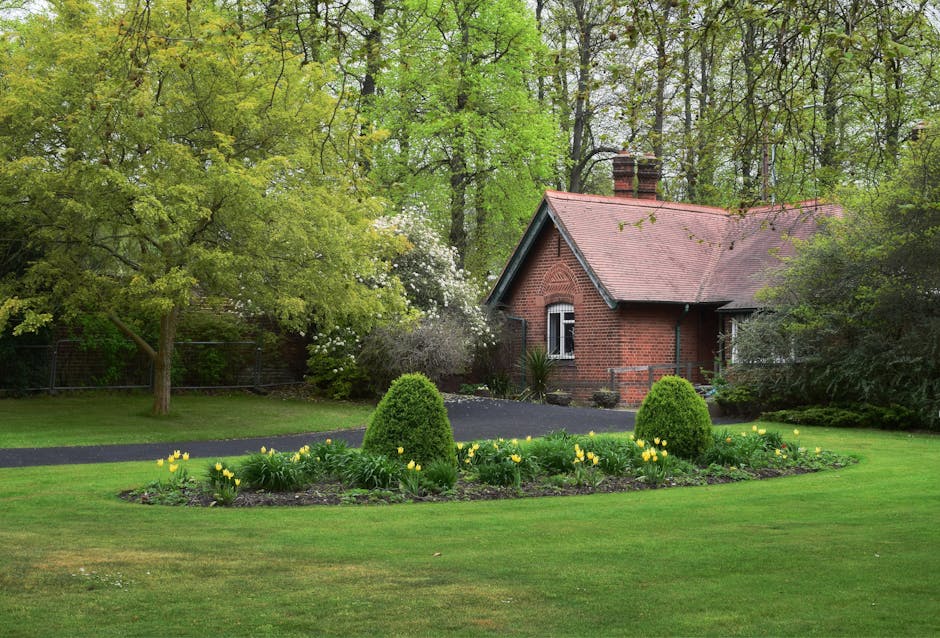
Common problems with driveway access for Coney Hall gardeners
If you have ever watched a gardener arrive, park half-on the kerb, then spend ten minutes trying to squeeze a mower, hedge trimmer, and buckets through a narrow gap, you already know the issue. Common problems with driveway access for Coney Hall gardeners are not just mildly annoying; they can slow a job down, increase the risk of damage, and make routine garden work feel like a small logistics exercise. In a place like Coney Hall, where homes can have tight driveways, shared access, awkward turning areas, or parked cars in the way, access is often the difference between a smooth visit and a frustrating one.
This guide breaks down the most common driveway access issues, why they matter, how professionals usually work around them, and what homeowners can do to make visits easier. It is practical, local, and grounded in the day-to-day reality of garden work. Let's face it, a brilliant garden plan can get stuck at the front gate if nobody can get the kit in.
Why driveway access matters for garden work
Access sounds like a small thing until it becomes the thing that shapes the whole visit. A gardener may need to bring in mowers, clearance bags, pruning tools, edging equipment, protective sheets, fuel-safe containers, or heavier landscaping materials. If the driveway is too narrow, blocked, slippery, steep, or shared with other vehicles, the job can take longer and the risk of minor mishaps goes up.
In practical terms, poor driveway access can affect:
- how quickly tools can be unloaded and packed away
- how far equipment must be carried by hand
- whether vehicles can park safely and legally
- the amount of wear and tear on surfaces, gates, and edges
- the overall cost and planning needed for the visit
For Coney Hall gardeners, this often shows up in very ordinary ways. A mower may fit through a side passage, but the gate catch sticks. A van may be close enough to unload quickly, but there is no safe turning space to leave without reversing awkwardly. Or a driveway looks fine in daylight, then becomes much trickier once you realise there is a low wall, a bend, or a tight right-angle turn to negotiate. Nothing dramatic. Just enough friction to slow everything down.
That is why access matters before the first cut, prune, or clearance bag is even touched.
How driveway access works in real garden visits
Good access is not only about width. It is about the whole flow from arrival to departure. A professional gardener typically wants to get as close as possible to the work area, unload efficiently, keep the route clear, and avoid damage to surfaces or surrounding planting. When access is poor, they may need to adapt the job plan on the spot.
Common access checks usually include:
- Driveway width: can a van, trailer, or wheelbarrow pass without scraping?
- Turning space: can the vehicle enter and exit without risky reversing?
- Gradient: is the driveway steep, uneven, or sloping sideways?
- Surface condition: is it loose gravel, muddy, mossy, cracked, or waterlogged?
- Clearance height: are there low branches, canopies, gates, or overhead obstacles?
- Parking pressure: are family cars, visitors, or neighbours regularly using the space?
- Pedestrian route: is there a safe path for carrying tools and waste?
Sometimes the issue is not even the driveway itself but the handoff from driveway to garden. A narrow side gate, a steep step, or a small landing full of plant pots can make moving equipment difficult. A gardener might need to break loads into smaller parts, protect the route with boards, or use hand tools rather than larger machines. That is normal. It just needs a bit of forethought.
It is also worth remembering that access needs can change with the season. In winter, wet surfaces can become slippery. In spring and summer, the driveway may be partly blocked by bikes, bins, or family cars. One minute it all looks fine. Then the hedge trimmings are ready and there is nowhere to set a bag down. Human life, basically.
Key benefits and practical advantages
Sorting access properly is not just about making life easier for the gardener. It improves the whole job for the homeowner too. When access is well planned, the visit tends to be cleaner, quicker, and less stressful.
Expert summary: The best driveway access is the kind nobody notices. It keeps tools moving, reduces delays, protects surfaces, and gives both sides a calmer working day.
Here are the main benefits:
- Less chance of damage: fewer scuffs on paving, fewer knocks to gates, and lower risk of wheel marks.
- Better time efficiency: less time spent carrying equipment back and forth from the road.
- Safer working conditions: reduced need for awkward lifting, reversing, or carrying heavy waste through tight spaces.
- More accurate quoting: the gardener can judge labour and vehicle access more realistically.
- Cleaner end result: waste, clippings, and debris can often be removed more efficiently.
There is a commercial side to this as well. If you are comparing providers, access can influence whether a job is priced as straightforward garden maintenance or as a more complex visit involving extra handling, time, or equipment changes. For example, a property with good vehicle access might suit regular garden maintenance, while a site with poor access may be better approached in staged visits or with lighter equipment. A tidy access plan often saves hassle later.
Who this is for and when it makes sense
This topic matters to a surprisingly wide range of people. If you are a homeowner, landlord, property manager, or someone arranging work for an elderly relative, driveway access is worth thinking about before the booking is confirmed. It also matters if you are planning work that involves larger volumes of waste, materials, or machinery.
You will find this especially relevant if:
- your driveway is narrow or shared
- cars usually stay parked on the drive
- the garden sits behind a side access route
- the ground is sloped or uneven
- hedges, trees, or overgrown planting are reducing clearance
- you need clearance, trimming, mowing, or landscaping work in one visit
It is also useful if you are arranging larger improvements rather than simple upkeep. Projects linked to landscaping or landscape gardening often bring extra plant deliveries, bulk materials, and waste removal into the picture. That makes access planning even more important. You do not want a delivery driver, a gardener, and two family cars all negotiating the same bit of tarmac at once. Slight chaos. Easily avoidable chaos, but chaos all the same.
If your access is already awkward, it still makes sense to proceed. You just need to plan differently. Many jobs can still be done well with the right preparation, sensible scheduling, and honest communication before the day.
Step-by-step guidance for preparing access
If you want to make things easier for a gardener, start with a simple walk-through from the street to the work area. Stand at the front and imagine carrying a heavy mower, a bag of hedge cuttings, or a box of tools through that route. Where would you struggle? Where would you have to turn sideways? Where could something easily catch?
- Clear the driveway before the appointment. Move cars, bins, bikes, and anything else that reduces turning or unloading space. Even a little extra room can make a big difference.
- Check the gate and side access. Make sure latches, locks, and bolts are working properly. A stubborn gate can waste time fast.
- Look for trip hazards. Loose slabs, trailing hosepipes, toys, and garden furniture are easy to miss when you are in a hurry.
- Deal with slippery areas. Sweep away moss, wet leaves, or mud where possible. If the surface is treacherous, say so in advance.
- Provide clear parking instructions. If a vehicle needs to pause on the road or in a specific bay, make that known beforehand.
- Share photos if needed. A couple of clear photos of the drive, gate, and access route can be very helpful. No need for a production shoot. Just honest pictures.
- Flag large or awkward items early. Old sheds, heavy planters, overgrown branches, or stacked waste may need extra handling or more time.
- Discuss waste removal expectations. If you need clearance, check how far waste needs to travel and whether access affects loading.
A useful habit is to treat access like part of the brief, not an afterthought. The more accurate the initial description, the smoother the day tends to go.
Expert tips for better results
Here is the honest truth: the best access solutions are usually simple. Not fancy. Not expensive. Just sensible.
From a practical gardening point of view, these small habits make a big difference:
- Schedule around household traffic: if possible, avoid times when family cars are in and out all morning.
- Allow a buffer for unloading: even a five-minute pause to shift items properly can prevent damage later.
- Keep the route tidy: if the path to the garden is cluttered, clear a temporary corridor.
- Use lighter kit where appropriate: in tighter properties, smaller tools may be more efficient than forcing bigger machines through a squeeze.
- Protect vulnerable surfaces: boards, mats, or careful lifting can help on decorative paving or gravel.
- Think about drainage and weather: after rain, a driveway may look passable but still be soft or slippery.
One small but important tip: if you know the access is awkward, say so plainly. Not apologetically, just clearly. Gardeners would rather hear "the side gate sticks and the drive is tight" than arrive and discover it themselves while balancing a trimmer and a hedge bag. Everyone wins.
Another practical point is to combine jobs where it makes sense. For instance, if a visit already includes hedge trimming or lawn mowing, you may want to make sure access is fully clear on the same day so there is no second round of moving cars or opening gates. A little planning can save a lot of back-and-forth.
Common mistakes to avoid
The most common problems with driveway access for Coney Hall gardeners are often avoidable. They are not usually dramatic errors, just the kind of things that get missed because everybody assumes the other person will manage it.
- Assuming the driveway is "fine": a drive that works for a family car may still be awkward for tools, waste, or a van.
- Forgetting about gate width: the vehicle may fit the front, but the route into the garden may be the real bottleneck.
- Leaving the drive half-blocked: one parked car can change the whole working plan.
- Ignoring surface condition: loose gravel and wet moss can turn a simple carry into a frustrating shuffle.
- Not mentioning low branches or overhangs: these can affect taller vehicles and loading doors.
- Underestimating waste volume: clearance jobs can generate more material than people expect, especially after an overgrown patch has been cut back.
There is also a communication mistake that crops up a lot: saying "there should be enough room" when in fact nobody has measured anything. That phrase is doing a lot of work. Too much work, really. A quick measurement or a photo usually tells a better story.
And yes, the old "we can just lift it over the wall" idea sounds clever right up until it is not. Sometimes it works. Sometimes it is a sore back and a broken pot waiting to happen.
Tools, resources and recommendations
You do not need specialist equipment to improve driveway access, but a few practical items can help. The right choice depends on the property and the kind of work being done.
| Access issue | Helpful response | Why it helps |
|---|---|---|
| Narrow driveway | Clear cars and bin storage before arrival | Creates room for unloading and safer movement |
| Slippery surface | Sweep debris and avoid rushing with heavy loads | Reduces slips and dragging damage |
| Side gate too tight | Measure the opening and consider smaller tools | Helps avoid forced entry and scuffing |
| Long carry to garden | Plan staging points and smaller load sizes | Reduces fatigue and breakages |
| Shared access | Agree a parking window with all users where possible | Limits disputes and last-minute disruption |
For homeowners arranging ongoing care, a sensible setup is often to combine access planning with regular visits from a reliable provider. A service such as garden maintenance can be easier to manage once the routine is set: same day, same access route, same expectations. Consistency helps.
If a site has more involved structural changes or levels of reworking, landscaping and decking services may also require a more detailed access plan, especially where materials need to be brought in and waste needs to be removed in stages.
Law, compliance, standards and best practice
Without turning this into a legal seminar, it is worth touching on safety and responsibility. In the UK, anyone working on a property should think carefully about safe access, manual handling, and the risk of damage to people or surfaces. That applies to homeowners too, especially when they are helping with moving items or clearing a route.
Best practice usually means:
- keeping access routes as clear as possible
- avoiding unsafe lifting or carrying where it can be prevented
- being honest about surface conditions and hazards
- using appropriate insurance and working methods
- taking reasonable care around vehicles, gates, steps, and slopes
It is also sensible to check that any contractor you use is clear about how they work, how they handle risk, and what happens if damage or an issue arises. If you want to understand how a provider approaches safety and accountability, it can be useful to look at the firm's insurance and safety information and its health and safety policy. That does not solve access problems by itself, obviously, but it does help set expectations.
Accessibility matters too. If a driveway or entrance creates a barrier for someone with limited mobility, the practical response should be careful planning and respect, not guesswork. If you need to understand how a website or service handles accessibility commitments, the accessibility statement may also be worth reviewing.
Options and comparison table
There is no single "right" access solution. The best option depends on the site, the job, and how much disruption the household can tolerate on the day.
| Approach | Best for | Pros | Trade-offs |
|---|---|---|---|
| Full driveway clearance before visit | Routine maintenance and mowing | Fast, efficient, low stress | Needs household cooperation |
| Staged unloading from the road | Tight or shared access | Flexible when space is limited | Slower and more labour-heavy |
| Smaller tools and manual carry | Sites with narrow gates or steps | Reduces risk of scraping and forcing equipment | Can take longer on larger jobs |
| Split visits for clearance and finish work | Overgrown gardens or bulky waste | More manageable load each time | May take longer overall |
In many cases, the simplest answer is still the best: clear the driveway, make the route obvious, and remove anything unnecessary. That alone solves more problems than people expect.
Case study or real-world example
Picture a typical Coney Hall property on a damp Tuesday morning. The driveway is not tiny, but it is busy. One car is parked close to the garage, the other is angled slightly across the path, and there is a wheelie bin near the side gate. The garden itself needs hedge trimming, a bit of pruning, and a tidy-up after a windy spell.
If the team arrives without checking access, they may spend the first part of the visit moving bins, rebalancing equipment, and trying not to brush the car doors with branches. Not ideal. The actual work still gets done, but the rhythm is gone. Every extra trip through that bottleneck adds a few minutes, and the job starts to feel longer than it should.
Now imagine the same property with clear instructions in advance: cars moved the night before, side gate unlocked, a small parking space left clear, and a note that the right side of the drive has a loose patch. Suddenly the whole day changes. The tools come in cleanly. Waste goes out in fewer trips. The work feels calmer. It is a boring kind of success, perhaps, but boring is excellent when it comes to access.
That is the real lesson. Access problems are often not fixed by force. They are fixed by clarity.
Practical checklist
Use this quick checklist before a gardener arrives.
- Move all cars away from the main access route.
- Unlock gates and check latches or bolts.
- Clear bikes, bins, toys, and stored items from the path.
- Look for slippery patches, loose slabs, or uneven steps.
- Measure any narrow opening if you know it is tight.
- Share photos if the access route is unusual.
- Flag overhanging branches, low canopies, or obstructions.
- Tell the gardener about any steep slope or awkward turn.
- Confirm where waste can be loaded safely.
- Leave a small parking or unloading window if possible.
Quick takeaway: if you can walk the route comfortably while carrying a bag, a box, or a small mower, your gardener will probably find the visit much easier too.
Conclusion
Driveway access is one of those details that feels minor until it starts shaping the whole job. For Coney Hall gardeners, the most common problems are usually the same: narrow entrances, blocked drives, awkward gates, slippery surfaces, limited turning space, and the simple fact that everyday household life gets in the way. None of that is unusual. But it does need managing.
The good news is that most access issues can be reduced with a bit of planning, honest communication, and a realistic view of the route from the street to the garden. When the access works, everything else tends to work better too. The visit is smoother, safer, and less stressful for everyone involved.
If you are planning garden work and want to make sure the access side is properly thought through, take a few minutes to review your route, your parking space, and any obstacles before the day arrives. A small bit of care now can save a lot of hassle later.
Get a free quote today and see how much you can save.
Frequently Asked Questions
What are the most common driveway access problems for gardeners?
The most common issues are blocked parking space, narrow gates, tight turning areas, slippery surfaces, and awkward steps or slopes. Even small obstacles can slow down unloading and increase the chance of damage.
Why does driveway access matter so much for garden maintenance?
Good access makes it easier to bring in tools, remove waste, and move safely between the vehicle and the garden. Poor access usually means more carrying, more time, and more risk of scuffs or trips.
Can a gardener still work if the driveway is too narrow for a van?
Yes, often they can. They may park nearby, use smaller equipment, or unload in stages. It may take longer, though, and the job might need to be planned differently.
Should I clear my driveway before the gardener arrives?
Yes, if possible. Removing cars, bins, and other obstacles makes the visit smoother and reduces the chance of delays. It also gives the gardener a safer route in and out.
How do I explain awkward access when booking garden work?
Be direct and specific. Say if the drive is narrow, the gate sticks, there is a slope, or a car normally blocks part of the route. A photo is often even more helpful than a long description.
Do access problems affect the cost of the job?
They can. If the team needs to carry equipment further, work more slowly, or split the job into stages, that may affect the time required. The exact impact depends on the property and the task.
What if my garden can only be reached through a side gate?
That is fine, but the width, height, and condition of the gate matter. If the route is tight, it helps to mention it early so the right tools and working method can be planned.
Are steep driveways a problem for gardeners?
They can be. Steep or sloping driveways may be harder to walk on, especially in wet weather, and can make wheeled equipment less stable. Careful handling and good footwear become more important.
How can I make a shared driveway work better for garden visits?
Try to agree parking arrangements in advance, keep the access path clear, and choose a time when the drive is less busy. Shared access works best when everyone knows what is happening before the day starts.
Is it better to split a big garden job into two visits if access is poor?
Sometimes, yes. For heavy clearance or larger landscaping work, splitting the job can make movement easier and reduce pressure on the driveway and garden route. It is not always necessary, but it can be practical.
What should I check if the driveway surface is old or damaged?
Look for loose slabs, soft gravel, cracks, moss, and any area that may sink under weight. If the surface is fragile, it is wise to mention that before work begins so extra care can be taken.
Where can I learn more about the services that may be affected by access?
You can review the wider range of work available through the services overview, or read more about specific tasks like garden clearance if the job involves bulky waste and awkward movement routes.
Sometimes the best garden jobs start with a clear path and a calm plan. Nothing fancy, just a bit of foresight-and that goes a long way.